
817


Table of Contents
In the Everglades National Park, where the river of grass flows, biodiversity thrives with over 350 species of birds, 40 species of mammals, and countless reptiles. Explore this ecological marvel where nature’s wonders unfold with each step, offering a glimpse into one of the most diverse ecosystems on Earth.
Geography
-
- Everglades National Park is located in south Florida, stretching from Lake Okeechobee to Florida Bay.
-
- The park is made up of both land and water, including sawgrass prairies, mangrove swamps, cypress forests, and marine estuaries.
-
- The Everglades is a unique ecosystem that is fed by a slow-moving river that flows from Lake Okeechobee to the Gulf of Mexico.
Wildlife of Everglades National Park
-
- The park is home to a vast array of wildlife, including over 350 species of birds, 300 species of fish, and 40 species of mammals.
-
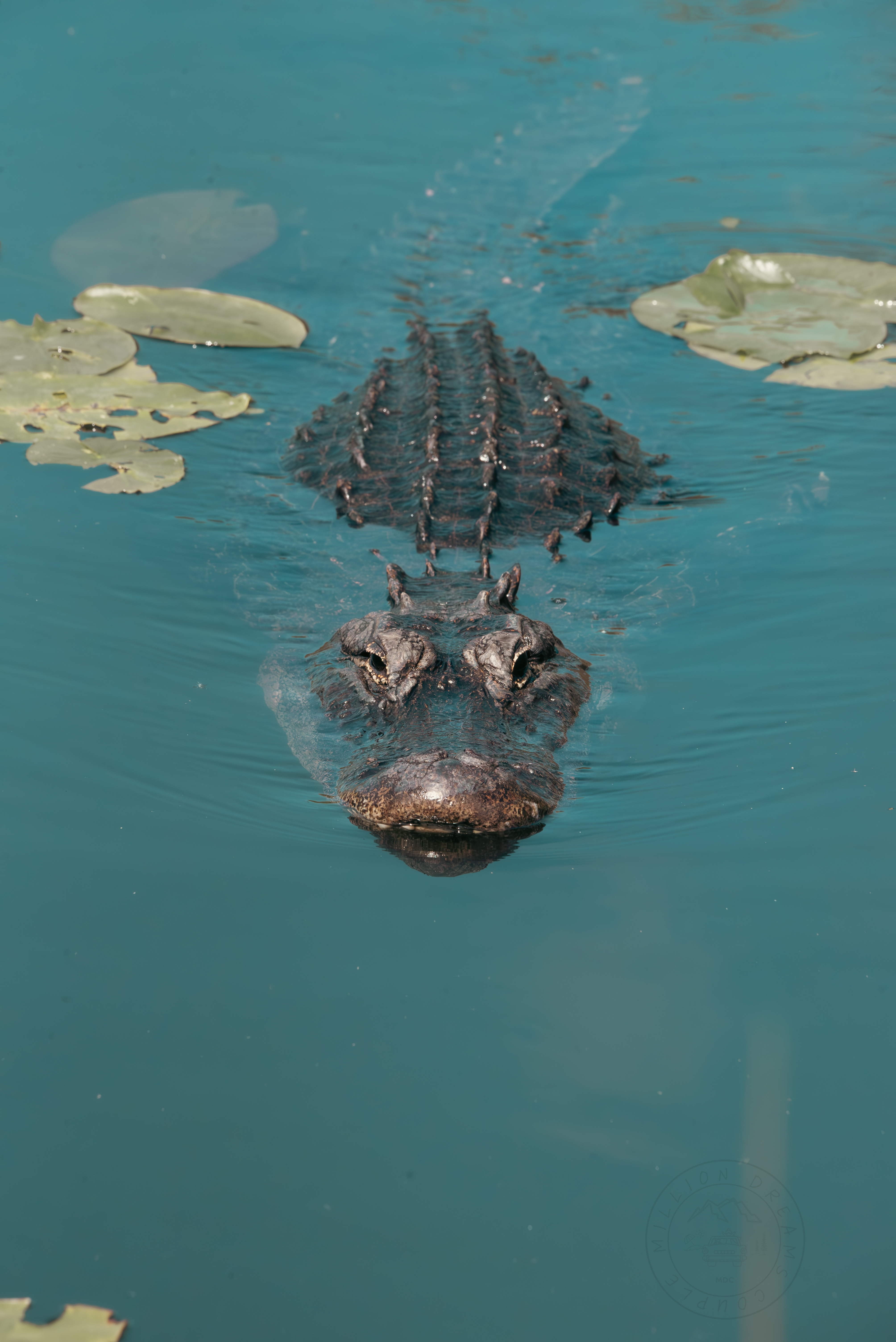
- Some of the park’s most famous residents include the American alligator, the Florida panther, the manatee, and the American crocodile.
-
- The park is also home to several endangered species, such as the West Indian manatee, the Wood Stork, and the Everglades Snail Kite.
Double-crested Cormorant (Phalacrocorax auritus)
Cost
At the time of our visit, the entrance fee Per vehicle was $30.00Get an Annual Pass and Save MONEY. Click here to see the list of places where you can buy different types of passes.
Campgrounds
-
- Flamingo Campground
-
- Long Pine Key Campground
Tours
Visitor Centers and Passport Stamp Locations
-
- Ernest F. Coe Visitor Center – 40001 State Hwy 9336, Homestead, FL 33034
-
- Flamingo Visitor Center – 1 Flamingo Lodge Hwy, Homestead, FL 33034
-
- Gulf Coast Visitor Center – 815 Oyster Bar Ln, Everglades City, FL 34139
-
- Shark Valley Visitor Center – 36000 SW 8th St, Miami, FL 33194
Things To Do
-
- Biking
-
- Bird Watching
-
- Boat Tours
-
- Fishing
-
- Hiking
-
- Guided Tours
Relaxing Gator
Facts
Everglades National Park facts that we didn’t know prior to our trip. Thanks to all the wonderful people we met during our visit.-
- The Everglades is often referred to as the “River of Grass” because of its shallow, slow-moving waters and vast stretches of sawgrass.
-
- The park’s sawgrass prairies are home to millions of mosquitoes, making bug repellent a must-have for visitors.
The Everglades is the only place in the world where alligators and crocodiles coexist in the wild.
-
- The park was originally created to protect the land from development, and it is now one of the most threatened national parks in the United States due to climate change, sea-level rise, and pollution.
-
- The Everglades was the site of several battles between Native Americans and Spanish explorers in the 16th century, and the area was later used as a hunting ground for Seminole Indians in the 19th century.
Our Favorite Trails
Everglades National Park has many trails that offer visitors the opportunity to explore the park’s unique landscapes and wildlife. Here are some of the most famous trails at Everglades National Park:
-
- Anhinga Trail:
This popular trail is located near the park’s Royal Palm Visitor Center and provides a great opportunity to see alligators, wading birds, and other wildlife up close. The trail is a half-mile long boardwalk that winds through a freshwater sawgrass marsh.
Anhinga
-
- Gumbo Limbo Trail:
This short trail is located near the park’s Flamingo Visitor Center and provides visitors with the opportunity to see mangrove trees, which are an important part of the park’s coastal ecosystems. The trail is a half-mile long boardwalk that winds through a coastal hammock forest.
-
- Pa-hay-okee Trail:
This trail is located near the park’s Shark Valley Visitor Center and provides visitors with the opportunity to see sawgrass prairies, which are one of the park’s most iconic landscapes. The trail is a quarter-mile long boardwalk that winds through a freshwater sawgrass marsh.
-
- Mahogany Hammock Trail:
This short trail is located near the park’s Flamingo Visitor Center and provides visitors with the opportunity to see mahogany trees, which are rare in the park. The trail is a half-mile long boardwalk that winds through a hardwood hammock forest.
-
- Snake Bight Trail:
This trail is located near the park’s Flamingo Visitor Center and provides visitors with the opportunity to see a wide variety of wildlife, including alligators, wading birds, and dolphins. The trail is a six-mile round-trip hike that winds through a coastal mangrove forest.
-
- Coastal Prairie Trail:
This trail is located near the park’s Gulf Coast Visitor Center and provides visitors with the opportunity to see coastal prairies, which are an important part of the park’s ecosystem. The trail is a 1.5-mile round-trip hike that winds through a coastal prairie habitat.
These are just a few of the many trails that visitors can explore at Everglades National Park. Each trail offers a unique perspective on the park’s landscapes and wildlife, and visitors are encouraged to explore as many as possible during their visit.
Turtle trying to feed itself

